


US inflation impacts New Zealand mortgage rates
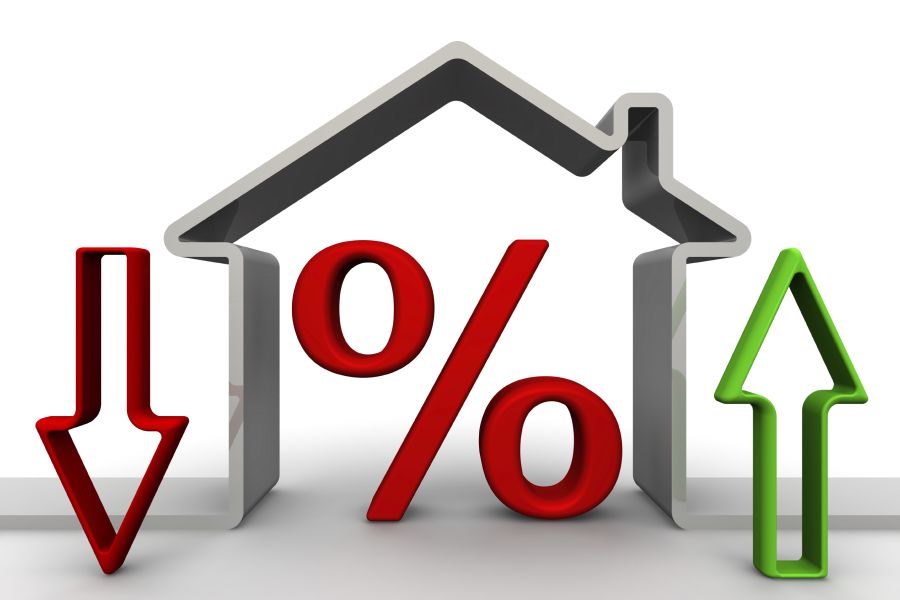
New Zealand is being taken along for the ride as US interest rates reach their highest in 25 years.
It is not only US interest rates rising, but they are also spiking globally and the strong relationship between them and longer dated Kiwi interest rates means higher fixed mortgage rates.
Wholesale interest rates tend to move together, around the world, especially at the long end of the curve of +5 years.
Longer dated US bond yields, 10- to 30-year government debt, have lifted to levels not seen in a long time.
There are many drivers of interest rates, most are economic fundamentals, but it is the term premium that generates the most interest, Kiwibank economists say.
“In bond markets, there is always the fear of vigilantes dumping bonds altogether, driving interest rates higher… or simply demanding a much greater yield for the ‘risk’ of default… too much government debt. And debt heavy nations have been punished the most.”
AI investment may also be playing a role. It’s difficult to quantify, but Kiwibank says money headed for AI is money that may have previously been parked in Government bonds.
The relationship between global interest rates and longer dated Kiwi rates is strong. “When we see a push higher offshore, our rates rise with them… steepening the Kiwi curve.”
The difference between the New Zealand two-year and the 10- year bond rate has widened from 100bps in May, to 120bps today. So, the move in US and global rates is lifting and twisting our curve, the bank’s economists say.
Even though the entire Kiwi curve sits below the US, it has been moved by the US market.
In the near term, the US Federal Reserve (Fed) has set a higher cash rate and is expected to hike by more. Fed expectations have ‘fed’ into RBNZ expectations also.
With the move higher, Kiwibank has seen an aggressive track for the RBNZ’s cash rate, implied in overnight index swap rates.
“We have a 3.1% cash rate implied by year end… so 10bps above what most analysts expect. But that’s not the real signal. The cash rate is priced to go above 4% next year, with 4.1% priced by December 2027. Ouch. We obviously disagree, but to quote John Maynard Keynes: ‘Markets can remain irrational longer than you can remain solvent’.”
Kiwibank economists say the good news is the Kiwi currency is working in the right direction.
Lower interest rate differentials, which are negative as Kiwi rates remain below US, have caused the Kiwi to fall below 56c.
“The fall in the Kiwi, is a ‘net’ benefit for the economy… because it makes us cheaper for foreign investment and purchases.
“But note we said net benefit.
“Currency movements are a double-edged sword. The weaker Kiwi is boosting export earnings and at the same time reducing purchasing power.”
Kiwibank says as a result, the petrol and diesel price spike will be worse. And imported inflation in general will be worse, complicating the RBNZ’s view on OCR rises, again.
![[Weekly Wrap] KiwiSaver in play; but outcome unclear](https://goodreturns.publit.io/file/c_fill,w_300,h_200/0ad582e4-c9a3-4692-bbe2-62d928f77fd2.jpg)




![[Obituary] Josh Bronkhorst](https://goodreturns.publit.io/file/c_fill,w_300,h_200/ada3004a-fd46-4f04-b6ef-e6dba1ac8b4e.webp)