




From a driverless car in Shenzhen to opportunities at home
By Tama Willis, Devon Funds Portfolio Manager
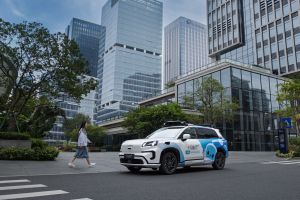
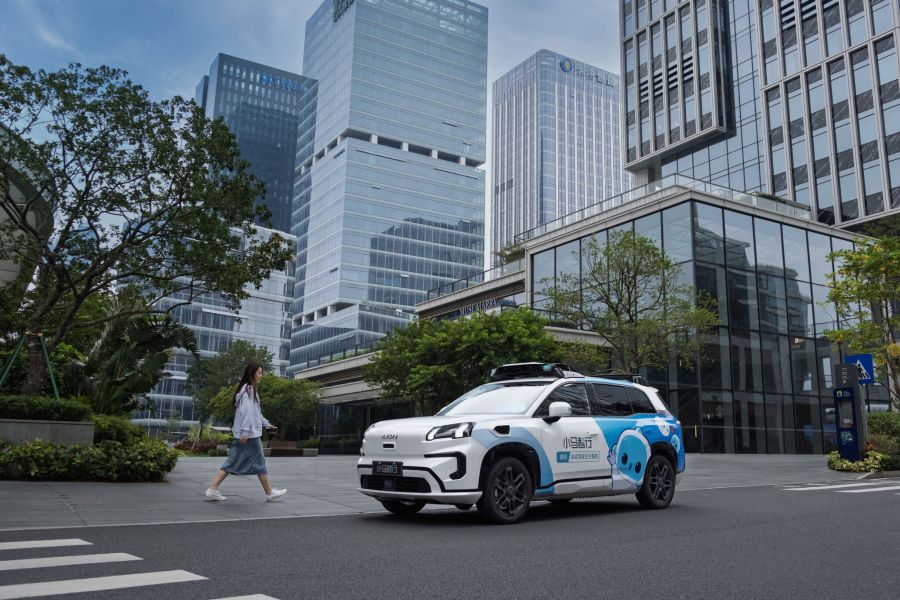
Recently I sat in the back of a car with no driver for a seven-kilometre ride through Shenzhen traffic. It was one of the most impressive things I have seen in nearly 30 years of investing. The company behind it, Pony.ai, already operates hundreds of robotaxis in China. Its next-generation autonomous electric vehicles are expected to cost around NZ$40,000 to build and, based on trial data, appear significantly safer than human drivers. Autonomous trucking is scaling at the same time.
That experience was just one meeting on a week-long investment trip through China and Hong Kong focused on artificial intelligence. We met AI model developers, chipmakers, datacentre operators, carmakers and logistics businesses. What stood out wasn't any single technology. It was the speed, scale and cost at which change is occurring.
At MiniMax, one of China's leading AI companies, the workforce appeared remarkably young. Alibaba launched a new AI chip during our visit and JD.com spoke about deploying millions of robots and autonomous vehicles across its logistics network over the coming years.
Chinese AI models now trail leading US models by only a matter of months, while often being dramatically cheaper to use. China still lags in advanced chips, but it is investing heavily to close the gap. Across much of manufacturing, infrastructure and technology deployment, the country is operating at extraordinary scale and with a cost advantage that is difficult for most Western economies to match.
Returning home, I was struck by the contrast. Much of New Zealand's economic discussion focuses on how existing wealth, profits or market share should be distributed. Those debates matter, but they risk distracting us from a far bigger question: how do we create more wealth in the first place?
New Zealand is unusually well positioned for the world that is emerging. The challenge is that we often get in our own way.
We are better placed than we think
Almost every major global trend currently plays to New Zealand's strengths.
First, we produce things the world cannot easily replicate. AI can write software and drive vehicles, but it cannot grow grass. China remains our largest export market and an ageing, wealthier population will continue demanding high-quality food, nutrition products and safe, traceable agricultural exports.
Second, tourism remains one of our most valuable industries. As technology advances, authentic experiences become increasingly valuable. A visit to Fiordland, Rotorua or Queenstown is difficult to automate or substitute.
Third, New Zealand has relatively little manufacturing left to be disrupted. China's cost advantages pose a much bigger challenge to the industrial economies of Europe, Japan and North America than they do to us. In fact, we stand to benefit from cheaper imported vehicles, batteries, solar panels and other technologies that can improve productivity.
Most important, however, is energy.
Around 90% of New Zealand's electricity already comes from renewable sources. Everywhere we went in China, one message was consistent: AI is becoming as much an energy story as a technology story. Compute power is increasingly constrained by access to electricity and infrastructure.
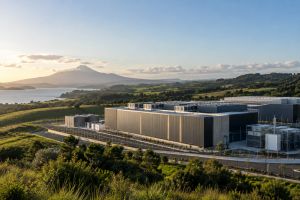
New Zealand has abundant renewable resources, a stable political system, strong institutions and a favourable climate for datacentres. Global technology companies are already investing here. If the AI era creates a global race for reliable clean energy, New Zealand begins that race with advantages many countries would envy.
The next decade is the opportunity
China's population has peaked, but demographic change will unfold gradually. Over the next decade, its population will become older and wealthier, creating demand for higher-value products, healthcare solutions, premium food, tourism and experiences.
That gives New Zealand an important opportunity.
Rather than relying on population growth alone, we can build an economy that generates more value per person. Premium agriculture, specialised nutrition, tourism, clean energy and digital services all fit naturally within that future.
Technology can also help address some of our own demographic challenges. China's rapidly growing robotics sector is already producing affordable assistive devices for elderly care. As New Zealand's population ages, these technologies could help improve quality of life while easing pressure on the workforce.
What getting out of our own way looks like
Success does not require a grand economic plan. It requires a handful of practical decisions and a willingness to stay focused on long-term growth.
Build energy infrastructure faster. Electricity demand is likely to rise substantially over coming decades. Generation, transmission and storage projects need faster and more predictable approval pathways. Countries with abundant, affordable energy will have a significant competitive advantage.
Welcome productive investment. New Zealand has a large infrastructure deficit and limited domestic capital. We should continue making it easier for capital to flow into energy, infrastructure and technology projects that expand productive capacity.
Provide stable rules. Long-term investments depend on certainty. Constant policy resets increase risk and discourage investment. Stability is often more valuable than perfection.
Adopt new technology quickly. Autonomous vehicles, AI systems, robotics, batteries and solar technology are not threats to avoid. They are productivity tools to embrace. The countries that adopt them fastest are likely to see the strongest gains in living standards.
Invest in people. AI will reshape many white-collar occupations before it affects large parts of the physical economy. Education, retraining and digital skills should be priorities. Helping workers and businesses adapt will generate far greater returns than resisting change.
Stay connected to the world. New Zealand's prosperity depends on trade, investment and strong international relationships. Maintaining openness will remain critical to future growth.
Lift our sights
The most striking thing about many of the companies we visited in China was not the technology itself. It was the ambition. They plan in decades and execute in months.
New Zealand does not need to copy China. But we could benefit from adopting a similar sense of urgency.
We have fertile land, globally recognised tourism assets and abundant renewable energy. We are not trying to defend a large industrial base from low-cost competition. In many respects, we have been dealt a remarkably strong hand.
The risk is not that the future is unfavourable to New Zealand. The risk is that we spend too much time debating how to divide what we already have and too little time focused on creating more.
We are a lucky country. The opportunity now is to act like one.


![[Weekly Wrap] KiwiSaver in play; but outcome unclear](https://goodreturns.publit.io/file/c_fill,w_300,h_200/0ad582e4-c9a3-4692-bbe2-62d928f77fd2.jpg)