

Markets intepret OCR review to be on the hawkish side
Financial markets have interpreted the Reserve Bank’s official cash rate (OCR) decision as somewhat more hawkish than expected, pushing the Kiwi dollar higher while wholesale interest rates also rose.
Wednesday, April 8th 2026, 6:50PM
by Jenny Ruth
The currency and interest rates had already moved on the news of a two-week ceasefire in the Middle East while after the 2pm OCR announcement the New Zealand dollar rose to 58.02 US cents from 57.96c just before and compared with closer to 57c earlier in the day before the ceasefire announcement.
Two-year swap rates rose to 3.35% from 3.315% just before the announcement and compared with 3.41% yesterday.
“Most people reading this would see it as more hawkish than they were expecting,” said Jason Wong, markets strategist at BNZ.
The use of language such as “being vigilant” and statements that RBNZ remains alert to inflation risks signalled the central bank’s attitude is less relaxed than the mood governor Anna Breman had communicated in her speech two weeks ago, Wong said.
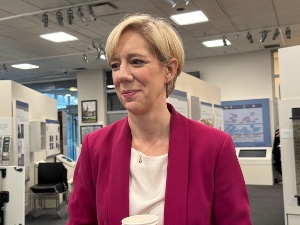
At an online media conference, RBNZ’s first for a monetary policy review, Breman said RBNZ expects the annual inflation rate in the March quarter was 3% and that it will rise to 4.2% in the June quarter.
That was based on yesterday’s market prices and an assumption that the Dubai price of oil would drop below US$100 a barrel by the end of June.
Infometrics economist Gareth Kiernan also thought the tone of the statement was more hawkish than expected.
“The tone of the statement was arguably more hawkish than the governor’s speech two weeks ago, with the bank focusing on the upside risks to inflation from more generalised price pressures resulting from the Middle East conflict.”
Breman said RBNZ focuses most on core inflation and graphs released with the review showed core inflation still below 3%.
As RBNZ chief economist Paul Conway stressed, RBNZ doesn’t usually publish forecasts at monetary policy reviews, usually saving forecasts to four times a year when it publishes full monetary policy statements.
ANZ chief economist Sharon Zollner said the outlook for the OCR remains very uncertain.
“But the risks look tilted towards the RBNZ deciding policy normalisation should start earlier than our forecast of December. However, there is a lot of water to flow under the bridge yet.”
Breman noted that market conditions have tightened since the February monetary policy statement and “that has also been translated into higher mortgage rates.”
In February, RBNZ had expected mortgage rates to fall about 20 or 30 basis points.
While the monetary policy committee did discuss the possibility of raising the OCR at this review, none had advocated actually doing so and the decision was reached by consensus, Breman said.
| « Markets, oil and geopolitics: keeping perspective during the Iran conflict | SaaSacre – Generational buying opportunity or Great Value Destroyer? » |
Special Offers
Comments from our readers
No comments yet
Sign In to add your comment
|
|
Printable version |
|
Email to a friend |