
tmmonline.nz  |   landlords.co.nz        About Good Returns  |  Advertise  |  Contact Us  |  Terms & Conditions  |  RSS Feeds

NZ's Financial Adviser News Centre

GR Logo
Last Article Uploaded: Monday, August 3rd, 8:56AM

Insurance

rss
Latest Headlines

Wearable devices: The promise and the reality for insurance
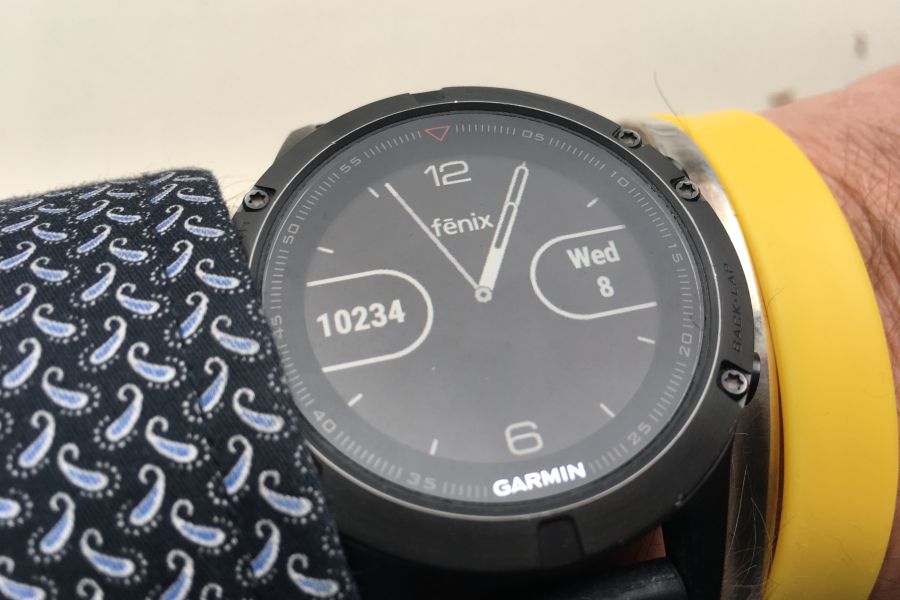
Wearable devices, like Fitbit watches, are becoming more and more popular, and insurers are interested in the data they collect.

Wednesday, August 8th 2018, 1:02PM 2 Comments

by Russell Hutchinson

There has been a lot of interest in the development of wearable health technology, and rightly so. It is a rapidly evolving market, with potential for a large and positive impact on life.

The most common example is a Fitbit. But there are many brands of devices, plus apps on phone, or smartwatch that track certain health metrics. These started by tracking just steps, but then they grew – many track heart rate and sleep as well. The companion apps that are installed on smartphones typically allow for other data to be added.

Connected wi-fi scales allow the easy, regular addition of weight and body composition tests. Combining the data yields other insights – an overall estimate of heart health is possible.

There some exciting new products heading for the market as well. A smart mirror is being developed that analyses your body shape and provides more health insights. A device you breath into helps with analysis of diet. There will be more, and they will get better and better. Accuracy will improve, and the hassle factor of charging yet more small gizmos will diminish as battery life and new charging methods emerge.

A few people will get all these gadgets, a smaller number will use them long-term, and therein lies the first big problem for insurance. Only innovations that affect lots of people are going to really make a difference to the market as a whole.

One dimension of impact is ‘discovery’ – this isn’t about the tech changing people, it is merely about finding out about them in a way which doesn’t rely on their answers to questions. As you all know, they can sometimes be unreliable. But unless there is much more adoption, and more reliable standards, discovery will tend to be limited to small groups.

As they are self-selecting, we may simply end up learning more about people we already knew were health nuts.

Another dimension is ‘improvement’ – to be realistic, this is far from proven. I am told that the average wearable is worn for just three months. The joke is that those months are typically January, February, and March.

In the general population improvement is likely to be limited. But two groups are particularly of interest: existing policy holders, and people with chronic disorders.

Policy holders are interested in their health and insurers want to help them avoid health problems. Programmes using wearables that connect to insurance (like AIA’s Vitality) have been shown to help them. Insurance can be offered to people with chronic diseases (like asthma, diabetes, and HIV for example) if they can demonstrate good management of their condition. Wearable health tech can provide an excellent way to do that.

Lastly, the dimension of ‘anticipatory or preventative’ technology could help some people a lot. This is tech that can warn of problems coming up, and help people to avoid them.

Tags: Russell Hutchinson

« Selling a bit less than idealFinancial planning should be the natural friend of good insurance coverage »

Special Offers

Comments from our readers

On 27 November 2018 at 1:48 pm Paul J Burns said:
While I think I am reasonably familiar the various upsides of a policyholder's wearable device interacting with an insurer, I don't have to be George Orwell to also recognise some of the other potential "contents" that could also be so easily "wrapped up in the same shiny package"
On 28 November 2018 at 2:35 pm RussellH said:
Hi Paul, I agree: given the focus on recent conduct problems, and also problems in ensuring privacy, concerns about sharing these data are serious.
Companies that can best address those concerns will have a head start.
Best wishes, RussellH

Sign In to add your comment


print

Printable version  

print

Email to a friend
Insurance Briefs

AIA adds grocery discounts to Vitality
AIA New Zealand has added a healthy food benefit to its Vitality programme, giving eligible insurance customers discounts of up to 25% on fresh fruit and vegetables at Woolworths.

Intelligent claims management platform arrives
Simfuni launches intelligent claims management product, future-proofing life insurers for the AI automation era.

Spurs and Auckand FC to meet in Auckland
AIA NZ is the Major Partner for Tottenham Hotspur’s return to New Zealand, with the team set to face Auckland FC at Eden Park later this year.

Fidelity Life keeps its rating for another year.
Fidelity Life has once again had its A- (Excellent) financial strength rating affirmed by AM Best.

News Bites
Latest Comments
  • FMA CEO on leave
    “There is real heat in the criticism aimed at the regulator, but it is pointed at the wrong target. The serious charge is...”
    3 hours ago by Pragmatic
  • FMA CEO on leave
    “And these are the people who sit in Wellington that pass judgement on how financial advisers run their businesses and the...”
    4 days ago by Amused
  • Are we doing right by our clients when it comes to TPD?
    “Lifer I hear you - TPD has a threshold we need to meet for sure and for some clients it is harder no doubt to evidence this...”
    4 days ago by Katrina Church
  • FMA CEO on leave
    “Yes, the FMA is clearly not operating how it should. They introduced licencing to the financial adviser industry but never...”
    4 days ago by valkyrie6
  • Are we doing right by our clients when it comes to TPD?
    “The biggest issue I have with TPD is the exceedingly high threshold to get a claim paid. In therory it is a great product,...”
    4 days ago by Lifer
Subscribe Now

Mortgage Rates Newsletter

Daily Weekly

Previous News

MORE NEWS»

Most Commented On
About Us  |  Advertise  |  Contact Us  |  Terms & Conditions  |  Privacy Policy  |  RSS Feeds  |  Letters  |  Archive  |  Toolbox  |  Disclaimer
 
Site by Web Developer and eyelovedesign.com